

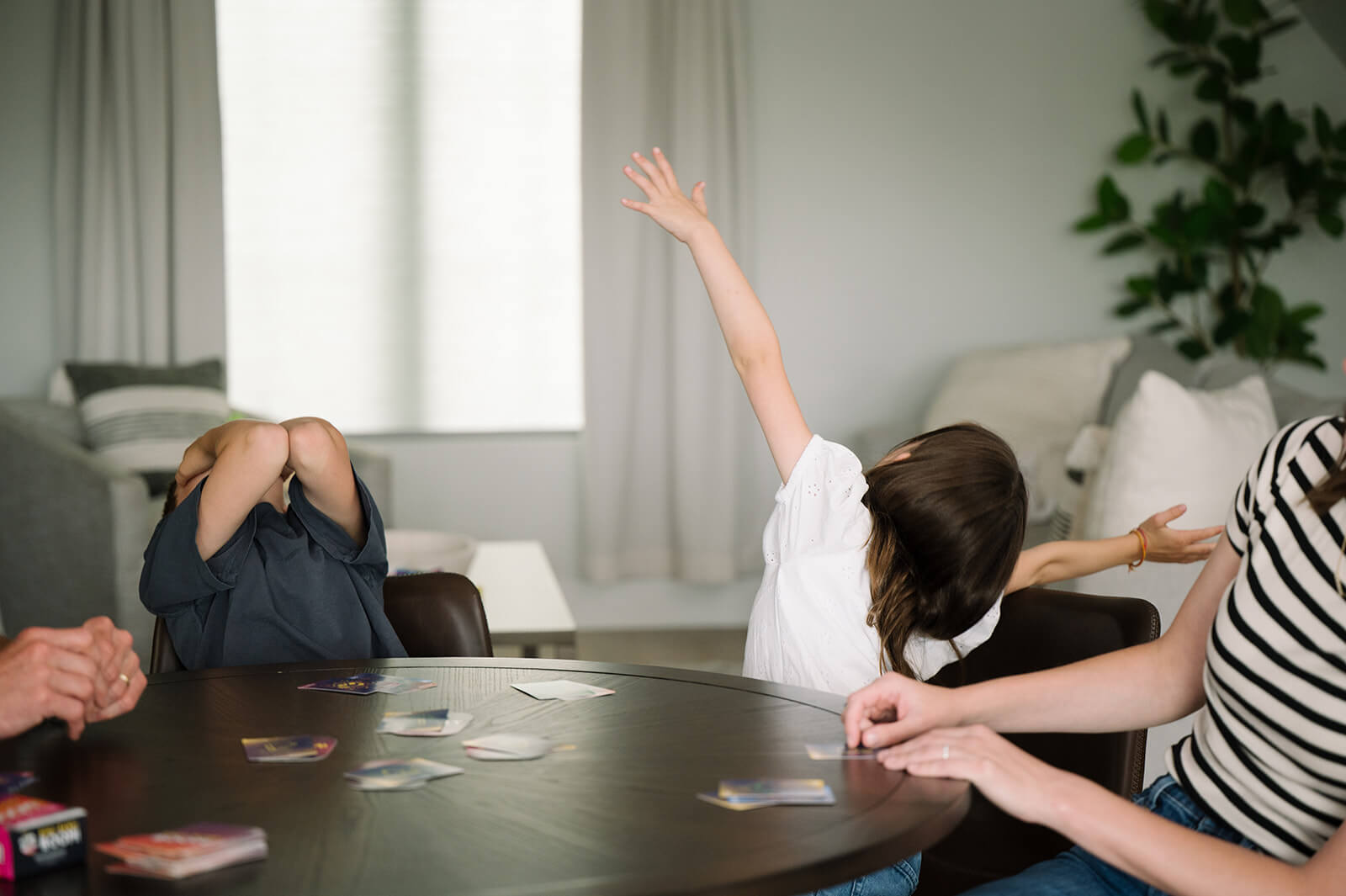
Family game night is supposed to be fun. And most of the time, it is. That is, until someone accuses another player of cheating, a younger sibling bursts into tears after losing, or a teenager checks out entirely because they’re annoyed about something that happened three rounds ago. Sound familiar?
Here’s the thing: those messy moments aren’t a sign that game night is broken. They’re actually the whole opportunity. Family games are one of the best low-stakes environments for kids to practice handling wins, losses, frustration, and competition. The lessons they learn at the kitchen table carry directly into school, sports, friendships, and eventually the workplace.
Teaching good sportsmanship doesn’t mean demanding that everyone smile and say “good game” through gritted teeth. It means helping your kids (and honestly, sometimes yourself) build the emotional habits that make competition healthy and fun for everyone involved.
Why Family Games Are the Perfect Classroom
Before we get into the how, it’s worth understanding why games work so well for this kind of teaching.
Unlike a competitive soccer game or a school spelling bee, family game nights have a built-in safety net: everyone goes home together. The stakes are low enough that losing isn’t devastating, but high enough that kids genuinely care about the outcome. That sweet spot is exactly where learning happens.
Games also move fast. A card game might have five or six rounds in a single sitting, which means kids get repeated practice at winning gracefully, losing without melting down, and bouncing back quickly, all in the same evening.
Start With Your Own Behavior
Kids learn sportsmanship by watching the adults around them, not by listening to lectures about it. If you groan loudly when you lose, make excuses when the game doesn’t go your way, or celebrate wins by gloating at everyone else’s expense, that’s what gets absorbed.
Before your next game night, do a quick (and honest) audit of your own habits at the table. Do you ever:
- Make jokes that downplay other players’ wins?
- Point out when rules seem to favor someone else?
- Disengage or seem bored when you’re losing?
- Celebrate in a way that makes others feel bad?
None of this is about being perfect. It’s about being aware. The most powerful sportsmanship lesson you can give your kids is letting them watch you lose a round, take a breath, and say “good move, you got me,” and actually mean it.
Set Expectations Before the Game Starts
One of the most effective things you can do is have a brief, casual conversation about behavior before the first card is flipped or the first piece is placed. Keep it light. You’re not delivering a TED talk, just setting the tone.
Something like: “Okay, house rules: we play hard, we don’t gloat when we win, and we don’t sulk when we lose. Ready? Let’s go.”
Especially for younger kids, knowing the social expectations upfront removes a lot of the anxiety and confusion that leads to meltdowns. They don’t have to figure out what the “right” reaction to losing is in real time, because you’ve already told them.
Teach the Difference Between Frustration and Bad Behavior
This is a nuanced but important distinction, especially for younger kids: feeling frustrated when you lose is completely normal and okay. Acting out because of that frustration is what needs addressing.
Help your kids name the emotion without shaming it. Instead of “stop being a sore loser,” try “I can see you’re frustrated, that was a tough round. Take a second.” You’re validating the feeling while making it clear that flipping out, quitting, or being unkind to other players isn’t the response.
Over time, this builds genuine emotional regulation, not just “hold it together in front of other people,” but actually learning to process disappointment in healthy ways.
Some phrases worth modeling and teaching:
- “You played really well! I got lucky that round.”
- “That was a tough loss. I’m going to come back stronger next game.”
- “Nice move, I didn’t see that coming.”
- “It’s just a game. Let’s play again.”
These sound simple, but they’re habits. And habits have to be practiced out loud before they become instinctive.
Handle Winning With as Much Intention as Losing
Sportsmanship conversations tend to focus heavily on losing gracefully, but winning well is just as important (and honestly, just as hard to do). Gloating, rubbing it in, or replaying your best moments in front of the person who just lost are all sportsmanship failures, even when they feel like harmless celebration.
Teach your kids that a real win is one everyone can respect. That means:
- Celebrating your own success without making it about someone else’s failure
- Acknowledging when luck played a role (“I got some great draws that round”)
- Moving on quickly rather than replaying your highlight reel
- Being the person who suggests playing again rather than quitting on top
A kid who learns to win without humiliating others becomes an adult who makes more genuine, lasting connections.
Use Real Moments as Teaching Opportunities (Without Making It Weird)
The most powerful sportsmanship lessons come from real situations, not hypothetical ones. When something happens at the table (a meltdown, a gracious loss, a moment of genuine kindness), that’s your opportunity.
If a player handles a tough loss really well, name it: “Hey, that was a really tough round, and you handled it great. That’s not easy.” Positive reinforcement works.
If someone reacts poorly, address it calmly and briefly in the moment, then let it go. A long lecture mid-game kills the mood and puts the kid on the defensive. A quick “Let’s reset” is usually more effective than a deep dive.
And after game night winds down, a short, low-key conversation (while you’re cleaning up or driving somewhere the next day) can land better than anything said in the heat of the moment.
Choose Games That Make Good Sportsmanship Easier to Practice
Not all games are created equal when it comes to sportsmanship opportunities. The best games for teaching these skills tend to have a few things in common:
- Fast rounds: Quick games mean more opportunities to practice winning and losing in the same sitting.
- Luck as a factor: Games that aren’t purely skill-based level the playing field and make losses easier to accept.
- High energy and laughter: When the game itself is genuinely fun, the emotional stakes of winning and losing feel lower.
- All ages welcome: Games where a younger sibling can legitimately beat an older one create natural, built-in lessons about humility.
Fast-paced card games like Taco Cat Goat Cheese Pizza, Moose Match Mayhem, 800 Pound Gorilla, and Bing! Bang! Boom! check all of these boxes. The gameplay is unpredictable enough that no one can dominate every round, the rules are easy enough that age and experience don’t create a massive skill gap, and the energy is chaotic enough that it’s hard to take any single loss too seriously.
Family Game Night Fun: Taco Cat Games
Teaching good sportsmanship isn’t a one-conversation fix. It’s a slow build, reinforced over dozens of game nights, car rides, and ordinary moments where you model the behavior you want to see. Some nights will go great, while others may end in tears or tantrums. That’s normal.
What matters is that you keep playing together and keep treating those moments as chances to grow rather than failures to avoid.
The families who laugh the loudest at game night aren’t the ones where everyone wins gracefully every time. They’re the ones where everyone feels safe enough to compete hard, lose honestly, and come back for another round.Ready to find the perfect game for your next family night? Browse the full collection at Taco Cat Games, designed for exactly the kind of fun that brings families and friends together.